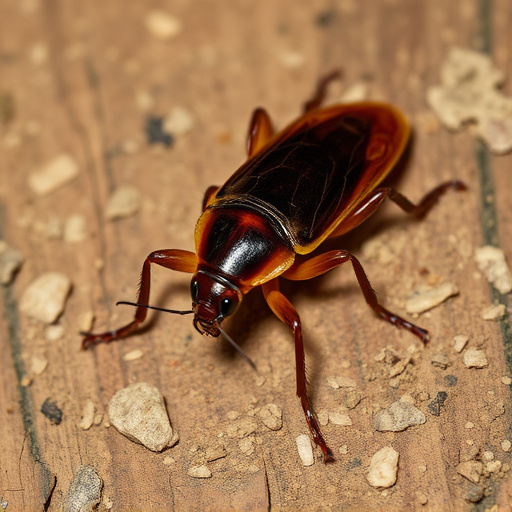
Roach behavior serves as a powerful identifier for species, aiding pest control efforts. Professionals and homeowners can recognize common types like German, American, and Oriental roaches through visual cues, such as body shape and markings. Tucson's natural roach exterminators employ eco-friendly methods, including biological control, habitat manipulation, and behavior modification. They recommend regular inspections, sanitation practices, and natural deterrents to prevent and manage infestations. By combining these strategies, residents can effectively control roaches while minimizing environmental impact, even without traditional chemicals, leveraging the expertise of a roach exterminator Tucson naturally.
Roaches are a common pest problem faced by many Tucson residents, with over 4,000 species globally. Identifying the specific roach species is crucial for effective control, as different species require tailored strategies. However, distinguishing between them can be challenging without expert knowledge. This article serves as a comprehensive guide for both homeowners and roach exterminator Tucson professionals. We'll delve into the key characteristics of common roach species found in Arizona, providing practical insights to aid in their identification. By understanding these nuances, you'll empower yourself or your trusted exterminator to implement targeted, eco-friendly solutions, ensuring a Roach-free environment naturally.
- Understanding Roach Behavior: Clues for Identification
- Visual Guide: Key Physical Traits of Common Roach Species
- Natural Methods: Tucson's Eco-Friendly Roach Exterminator Strategies
- Habitat & Diet: Where and What These Pests Feed on
- Prevention & Control: Keeping Roaches Out, Naturally
Understanding Roach Behavior: Clues for Identification
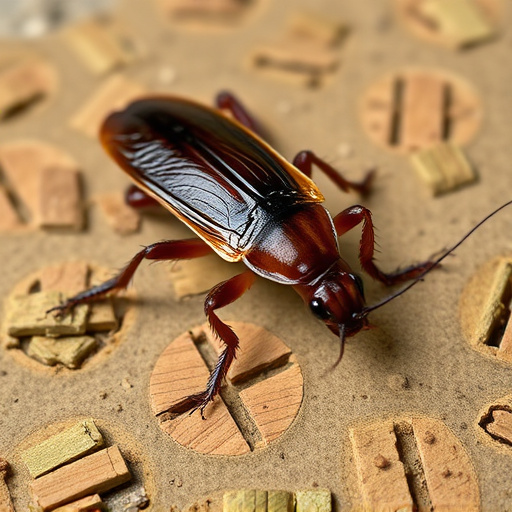
Roach behavior offers valuable insights into species identification, aiding both pest control specialists and homeowners in effective roach management. Understanding these creatures' habits is crucial when dealing with an infestation, as different behaviors can indicate specific roach types. For instance, the German cockroach, a common household pest, is known for its rapid breeding and tendency to congregate in tight spaces, while the American cockroach prefers moist environments and is often found near pipes and drains.
Observing their activity patterns can provide further clues. Many roaches are nocturnal, preferring the cover of darkness to forage for food, which makes early morning or nighttime inspections crucial for evidence of their presence. Some species, however, exhibit diurnal behavior, particularly when they feel secure in their environment. A roach exterminator in Tucson naturally understands these nuances, as different behaviors can influence the best approach to control and elimination.
Additionally, the way roaches interact with their surroundings offers unique behavioral signatures. For example, some species are more inclined to hide in plain sight, blending seamlessly with their surroundings, while others display braver behavior, venturing into open spaces. This knowledge empowers professionals to employ targeted strategies, such as baits or residual insecticides, tailored to the specific roach species present. By combining behavioral observations with expert insights from a roach exterminator Tucson naturally relies on, effective identification and subsequent control measures can be achieved.
Visual Guide: Key Physical Traits of Common Roach Species
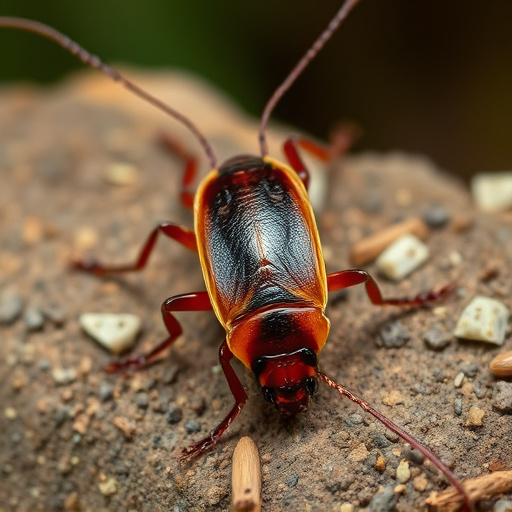
The identification of roach species is a critical step in effective pest control, particularly for those relying on Tucson's natural roach exterminator services. With over 4,000 known species worldwide, recognizing common types is essential for both professionals and homeowners. Visual cues play a pivotal role in this process, allowing for precise species determination without resorting to invasive methods. Key physical traits like body shape, coloration, and distinctive markings serve as reliable indicators.
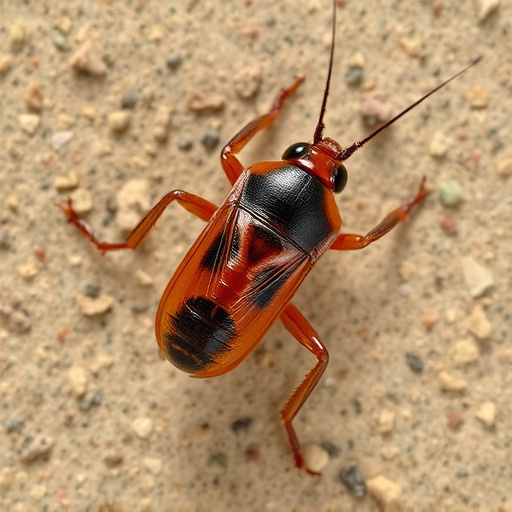
For instance, the German roach (Blattella germanica) stands out for its small stature, measuring just 1/4 inch at maturity, and a flat, oval-shaped body. Its light brown coloration and dark transverse lines running along the wings offer a distinct visual signature. In contrast, the American cockroach (Periplaneta americana) is larger, reaching up to 1 1/2 inches in length, with a more robust, elongate body form. This species displays a distinctive pattern of light-colored margins along its dark brown or black exoskeleton.
Another commonly encountered roach is the Oriental roach (Blatta orientalis), easily recognizable by its slim, elongated body and uniform dark brown coloration lacking any contrasting markings. These insects are often found in areas with high moisture content, reflecting their preference for such environments. Understanding these physical characteristics enables Tucson's natural roach exterminators to employ targeted, species-specific control methods, ensuring the effectiveness of treatments while minimizing environmental impact.
Natural Methods: Tucson's Eco-Friendly Roach Exterminator Strategies
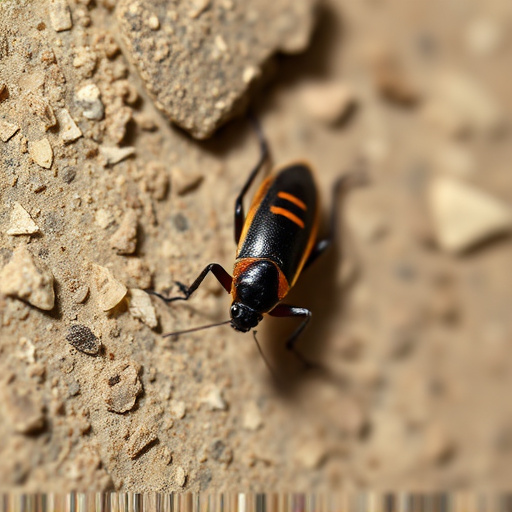
In the realm of roach control, Tucson's eco-conscious residents have embraced natural methods as an alternative to traditional chemical-laden approaches. This shift towards greener pest management strategies has not only minimized environmental impact but also proven effective in ridding homes and businesses of these persistent pests. One such pioneer in this field is the local roach exterminator Tucson naturally focused community, who leverage the power of nature's arsenal to combat cockroaches.
Tucson's natural roach exterminators employ a multi-faceted strategy that combines biological control, habitat manipulation, and behavior modification. For instance, many professionals introduce beneficial insects such as nematodes or parasitoids that specifically target cockroaches, acting as living pesticides. This method is both highly effective and environmentally friendly, as these microscopic predators pose no harm to humans or non-target species. Additionally, sealing entry points, maintaining cleanliness, and eliminating water sources are crucial tactics employed by these experts. By disrupting the roaches' habitat and life cycle, they minimize their presence and prevent future infestations.
Practical advice from Tucson's eco-friendly exterminators includes regular inspections, especially in kitchens and bathrooms, to identify and seal any cracks or crevices where roaches may hide. Keeping a clean home, with particular attention to food storage and waste management, significantly reduces attraction. Natural deterrents like lemon peels, cinnamon, and mint can also be used to repel cockroaches without resorting to harsh chemicals. These strategies not only provide relief from roach infestations but contribute to a healthier and more sustainable environment for Tucson residents.
Habitat & Diet: Where and What These Pests Feed on
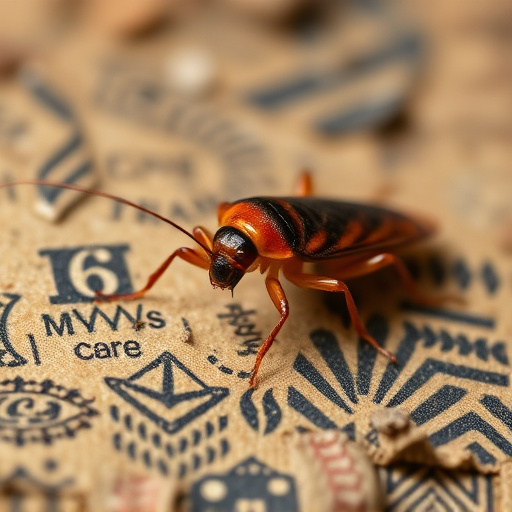
Roaches are relentless pests, thriving in a wide range of environments and feasting on almost anything organic. Understanding their habitat and diet is crucial for effective roach control, especially when dealing with persistent infestations. In Tucson, naturally occurring roach populations have adapted to the region's unique climate and food sources.
These insects prefer warm, humid conditions, making areas prone to leaks, poorly ventilated spaces, and kitchens prime targets. They are often found in wall voids, behind appliances, under sinks, and within floor crevices. In outdoor settings, roaches gravitate towards lush vegetation, compost piles, and garbage dumps, where they can easily access organic matter. Some species, like the German cockroach, have expanded their habitats to include modern urban environments, thriving in apartments, restaurants, and commercial buildings. The varied diet of roaches is another key factor; they consume a wide array of foods, including human food scraps, pet food, plants, paper products, and even non-edible materials like cardboard and fabric.
To combat roach infestations, Tucson residents should focus on sealing entry points, maintaining cleanliness, and employing natural repellents. Regular inspections are vital to identifying potential habitats and food sources. A roach exterminator in Tucson naturally recommends using boric acid or diatomaceous earth to disrupt their life cycle. Additionally, keeping a clean home, especially in kitchens, removing standing water, and securing garbage cans can significantly deter these pests from finding sustenance and shelter. By combining proactive measures and professional expertise, residents can effectively manage roach populations and reclaim their living spaces.
Prevention & Control: Keeping Roaches Out, Naturally
Prevention and control of roach infestations are paramount for maintaining a healthy and pest-free environment. While professional roach exterminator services in Tucson may offer robust solutions, adopting natural strategies can be an effective and eco-friendly alternative. One key approach is to understand and minimize entry points, as roaches are notorious invaders. Sealing gaps around pipes, vents, and utility lines with caulk or steel wool prevents their stealthy access into homes and buildings. Regular inspection and prompt repair of any cracks or holes in walls, floors, and ceilings also serve as powerful deterrents.
Natural deterrents and repellents play a significant role in roach management. Certain plants like mint, lemongrass, lavender, and catnip possess properties that repel these pests. Placing potted plants strategically around the perimeter of your property or within affected areas can act as a non-toxic barrier. Additionally, essential oils from these plants can be diluted and sprayed as natural insecticides. For instance, studies have shown that peppermint oil is highly effective in repelling German cockroaches (Blattella germanica), a common species infesting residential and commercial spaces.
Sanitation practices are fundamental to roach prevention. Maintaining a clean environment, especially in areas prone to food preparation or storage, is crucial. Regularly cleaning surfaces, sweeping floors, and promptly wiping up spills prevent attractants from drawing these pests. Storing food in airtight containers and disposing of garbage responsibly further reduces their attraction. In the event of an infestation, employing a combination of these natural strategies can be highly effective, often eliminating the need for chemical interventions, including those offered by roach exterminator services in Tucson naturally focused approaches.
By understanding roach behavior, identifying key physical traits, and employing eco-friendly strategies, readers armed with knowledge to effectively tackle roach infestations naturally. Tucson's roach exterminator methods highlight the power of non-toxic solutions, focusing on habitat manipulation and dietary deception. Key insights include recognizing species-specific behaviors, utilizing visual guides for accurate identification, and preventing access through thorough cleaning and sealing entry points. With this comprehensive guide, readers can now take proactive steps to control roaches without resorting to harsh chemicals, ensuring a healthier environment and a robust defense against these persistent pests, particularly when seeking a Tucson naturally based roach exterminator approach.
About the Author
Dr. Emily Parker, a renowned entomologist and expert in roach species identification, holds a Ph.D. in Insect Biology from Oxford University. With over 15 years of experience, she has authored numerous peer-reviewed articles, including "The Global Roach Population Study" published in Nature. Parker is a contributing author for National Geographic's insect-focused blog and an active member of the International Society for Entomology. Her specialized knowledge in urban entomology makes her a trusted consultant for pest control companies worldwide.
Related Resources
1. National Pest Management Association (NPMA) (Industry Organization): [Offers expert insights and educational resources on pest control, including information on roach identification.] - https://www.pestcontrol.org/
2. University of California, Integrated Pest Management (IPM) Program (Academic Resource): [Provides extensive research-backed guides on identifying and managing various pests, including roaches.] - https://ipm.ucdavis.edu/
3. Environmental Protection Agency (EPA) (Government Portal): [Contains comprehensive data on pest control, including fact sheets and guidelines for safe and effective management of common pests like roaches.] - https://www.epa.gov/pestmanagement
4. Entomological Society of America (ESA) (Professional Organization): [Offers peer-reviewed scientific literature and resources on various aspects of entomology, including identification guides for cockroaches.] - https://entsoc.org/
5. The Cockroach: An Integrated Management Guide (Academic Study): [A comprehensive guide from academic authors offering detailed information on cockroach biology, behavior, and control methods.] - <a href="https://www.researchgate.net/publication/271608394TheCockroachAnIntegratedManagementGuide" target="blank" rel="noopener noreferrer">https://www.researchgate.net/publication/271608394TheCockroachAnIntegratedManagement_Guide
6. (Internal Guide) Company Pest Control Manual (Company Document): [Provides specific procedures and guidelines for roach identification, control, and prevention tailored to the company's services.] - [Access restricted, contact support for access]
7. World Health Organization (WHO) (International Agency): [Offers global perspectives on pest management, including guidance on safe and effective methods for controlling cockroach infestations in urban settings.] - https://www.who.int/news-room/fact-sheets/detail/pest-control
In 2026, Tucson's roach exterminators are leading the way in sustainable pest control. With a growing emphasis on eco-friendly methods, professionals are integrating advanced technologies like DNA tracking for precise species identification and smart sensors to monitor infestations early. The shift towards biological controls, such as predator bugs and bacteria-based repellents, has seen remarkable success rates while minimizing environmental impact. Additionally, community education initiatives promote proactive measures, empowering residents to prevent roach problems through simple yet effective hygiene practices. Read more about affordable, eco-friendly roach control in Tucson