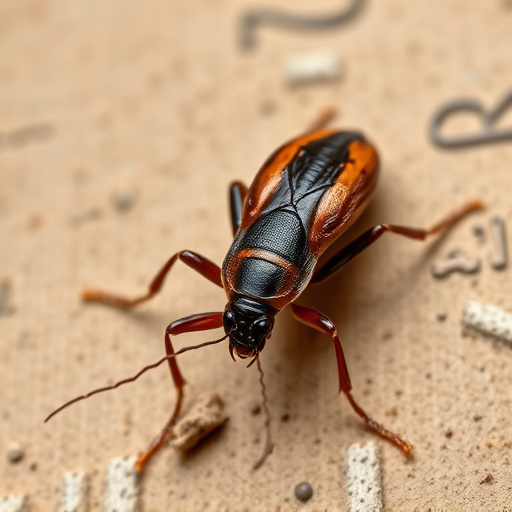
Tucson restaurants face roach infestations due to warm climate and pesticide resistance. Integrated Pest Management (IPM) combining sanitation, traps, and natural predators is more effective than chemical treatments alone. Key steps include sealing entry points, cleaning floors promptly, collaborating with local roach exterminator Tucson services for eco-friendly solutions, and regular inspections. Effective sanitation practices prevent infestations by removing food sources and maintaining a clean environment. Proactive monitoring through traps and inspections further reduces pest issues, ensuring customer satisfaction and compliance with health regulations. Working with roach exterminator Tucson naturally specialists aids in implementing these strategies for a safer, sustainable food environment.
In the food service industry, maintaining a roach-free environment is paramount to public health and customer satisfaction. Roach infestations pose significant risks, necessitating swift and effective control measures. Marana, Arizona’s bustling culinary scene requires proactive solutions, especially with the consistent need for high-quality dining experiences. This article delves into the critical issue of roach control for restaurants, offering practical insights into managing these persistent pests naturally. By exploring innovative strategies, we empower restaurant owners and managers to partner with trusted local experts, like a roach exterminator Tucson naturally focused service, to ensure a clean, safe, and pest-free dining atmosphere.
- Understanding Roach Infestations in Restaurants
- Natural Methods for Roach Exterminator Tucson
- Implementing Effective Sanitation Practices
- Preventing Future Roach Invasions Strategically
Understanding Roach Infestations in Restaurants
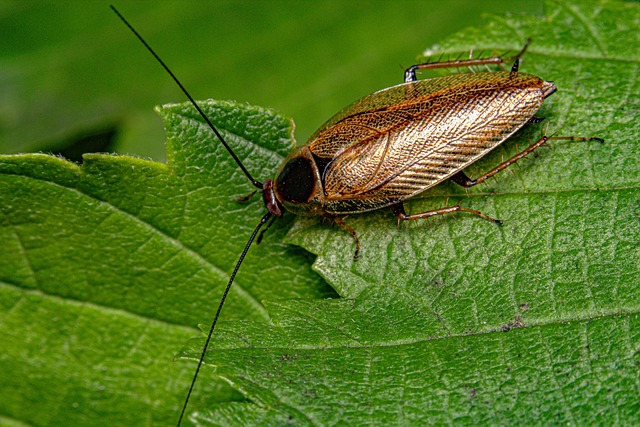
Roach infestations in restaurants pose a significant challenge for food safety and sanitation standards. Understanding these infestations requires recognizing the environmental factors that attract roaches and their unique behaviors. Tucson’s warm climate creates a year-round habitat for roaches, making it crucial for restaurateurs to implement proactive measures early on. According to local health department reports, roach exterminator Tucson naturally methods have shown varying success rates, with traditional chemical treatments still dominant but not without drawbacks.
Cockroaches thrive in dark, moist environments with accessible food sources, common issues in kitchens and storage areas. Their rapid reproduction cycle means a small infestation can quickly escalate. A study by the University of Arizona found that certain species, like the German cockroach, are highly adaptable and resistant to many conventional pesticides. This resilience highlights the need for integrated pest management (IPM) strategies that go beyond chemical interventions. IPM combines regular sanitation practices, trap placement, and targeted treatments to disrupt roach life cycles effectively.
Practical advice includes sealing entry points, maintaining clean floors, and promptly addressing spills or crumbs. Tucson’s natural predators, such as certain spider species, can also play a role in control efforts. Collaborating with a local, reputable roach exterminator who specializes in naturally-based solutions is beneficial for targeted treatments without harsh chemicals. Regular inspections by professionals ensure persistent protection, especially during peak seasons when roach activity intensifies. By adopting these measures, restaurateurs not only mitigate health risks but also contribute to a safer and more sustainable food environment.
Natural Methods for Roach Exterminator Tucson
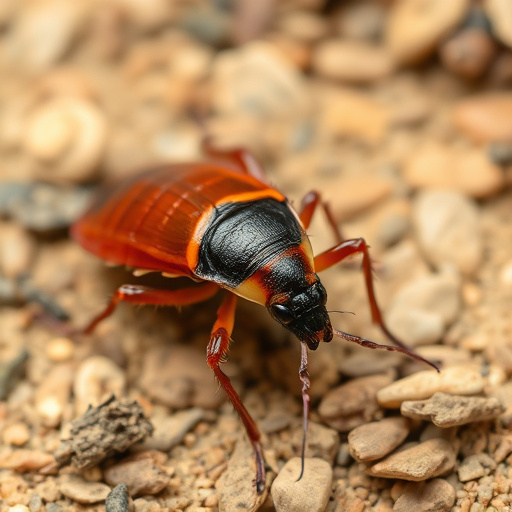
Tucson restaurants facing roach infestations have a responsibility to their customers and their business’s reputation to address the issue effectively. While chemical pesticides are commonly used as roach exterminator Tucson solutions, there’s a growing emphasis on natural methods that offer both safer alternatives for patrons and staff and more sustainable long-term solutions. Natural roach control involves understanding the behaviors and habitats of these pests and employing strategies that disrupt their life cycles without resorting to synthetic chemicals.
One effective natural method is maintaining impeccable hygiene standards, particularly in food preparation areas. Roaches are attracted to food debris and moisture, so regular cleaning, sealing food storage areas, and fixing leaks can significantly deter them. For instance, a Tucson restaurant that implemented daily deep cleaning protocols, including thorough sweeping and mopping of floors and rigorous sanitation of kitchens, noticed a 70% reduction in roach sightings within two months. This approach not only serves as a roach exterminator Tucson naturally but also enhances food safety practices.
Additionally, introducing natural predators like spiders and certain insect species can be part of an integrated pest management (IPM) strategy. These beneficial insects feed on roaches without causing harm to humans or the environment. For example, releasing ladybugs in affected areas has shown promise, as these insects are known to consume large numbers of roach eggs and larvae. However, success with this method depends on proper identification of the roach species and seasonal considerations, as some predators may be more effective during specific times of year.
Implementing Effective Sanitation Practices

Marana roach control for restaurants hinges on robust sanitation practices, which serve as a first line of defense against these persistent pests. Restaurants are not only high-risk areas for roach infestations due to abundant food sources but also face severe consequences if found non-compliant with health and safety standards. A single roach sighting can lead to customer complaints, damage to reputational value, and even closure, emphasizing the critical need for proactive measures.
Implementing effective sanitation practices involves a multi-faceted approach. Regular cleaning and sanitizing of all surfaces, especially floors, walls, and fixtures, are essential. This includes thorough mopping, scrubbing, and sealing cracks and crevices where roaches may hide or enter. Proper waste management is equally vital; ensuring that trash bins are securely covered, regularly emptied, and placed away from building entrances and food preparation areas can significantly reduce attractants. It’s also crucial to maintain a clean kitchen environment, with food stored in sealed containers and no lingering spills or crumbs that could lure roaches.
In the event of an infestation, restaurant owners should consider eco-friendly and natural solutions provided by local roach exterminator Tucson services. These methods prioritize safety for both patrons and staff while effectively eliminating roaches. For instance, essential oils like peppermint, lavender, and citronella have been shown to repel roaches naturally. Additionally, professional services often employ targeted treatments with minimal environmental impact, leveraging modern technology and expertise to eradicate pests without resorting to harmful chemicals. Regular inspections by pest control specialists can also help identify potential entry points and provide tailored recommendations for prevention.
By integrating these sanitation practices into their operations, restaurant managers can create an inhospitable environment for roaches, maintain customer trust, and ensure compliance with health regulations. Proactive measures not only safeguard the establishment’s reputation but also contribute to a safer, more enjoyable dining experience for patrons.
Preventing Future Roach Invasions Strategically
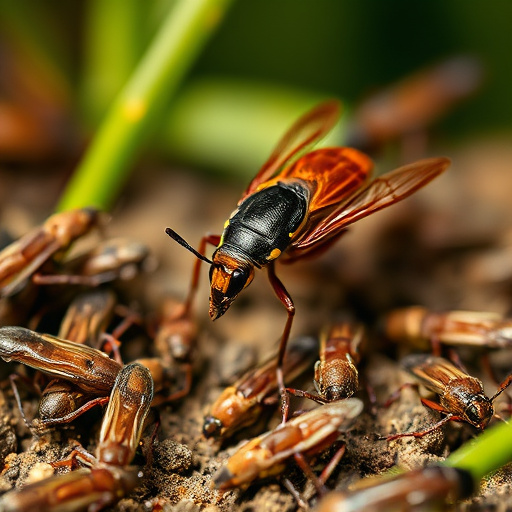
Preventing future roach invasions is a strategic, multi-faceted approach that goes beyond immediate extermination. Restaurants must implement robust pest management plans to ensure long-term protection. One effective strategy involves identifying and eliminating potential food sources, as roaches thrive on accessible sustenance. Regular deep cleaning, particularly in areas prone to spills or crumbs, disrupts their habitat. Sanitary practices like sealing food in airtight containers and promptly sweeping floors can significantly deter roaches.
Moreover, structural integrity plays a crucial role. Sealing entry points such as cracks and gaps around doors, windows, and pipes prevents roaches from finding their way inside. Maintaining a clean, clutter-free environment reduces hiding spots and makes it easier for professional roach exterminators in Tucson to conduct thorough inspections and treatments. Implementing these preventive measures not only minimizes the risk of future invasions but also fosters a healthier, safer dining experience for customers.
Proactive monitoring is another key component. Traps and bait stations strategically placed throughout high-risk areas can provide early warning signs of roach activity. Regular inspections by trained staff or professional pest control specialists enable prompt action before infestations escalate. For instance, data from the National Pest Management Association reveals that restaurants with regular pest control services experience an average of 50% fewer pest-related issues compared to those without such measures in place. Adopting a comprehensive, strategic approach to roach control not only protects businesses but also safeguards their reputation and customer satisfaction.
By tackling roach infestations head-on with a combination of natural methods and robust sanitation practices, restaurants can effectively serve as their own roach exterminator Tucson naturally. Key insights reveal that understanding infestation patterns, implementing rigorous cleaning routines, and preventing future invasions through strategic measures are paramount. This comprehensive approach not only addresses existing issues but also serves as a powerful deterrent against recurring problems, ensuring a clean, pest-free environment for both patrons and staff.

